
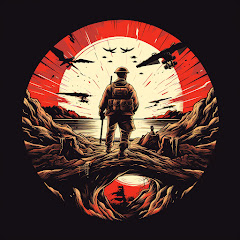
Beyond the Battlefield: The Daily Reality of WWI Trench Life
Under a perpetually gray sky, a labyrinth of mud and barbed wire stretched across Europe, marking a scar four hundred miles long: the Western Front. This was not merely a battlefield; for millions of soldiers, it became home. Beyond the distant rumble of artillery, the air was filled with a constant symphony of smaller, more persistent sounds—the drip of water, the scrape of a shovel, the whisper of urgent orders. This relentless environment demanded an unimaginable endurance, forcing men to battle not only the enemy but also the earth itself, exhaustion, and despair in a daily grind for survival.
The Unseen Battle: Daily Life on the Western Front
Dawn typically brought “stand-to,” with rifles at the ready, demanding vigilance as soldiers searched the misty no-man's-land for any sign of movement. Yet, the most formidable foe often proved to be the environment itself. Mud, clinging and treacherous, frequently swallowed men, equipment, and morale alike. Survival was a constant battle against the elements, requiring ceaseless work: draining water, repairing collapsing sandbags, and shoring up dugouts against the relentless weather. Within this squalor, soldiers also contended with persistent, unwelcome residents: rats, plump from easy pickings, and swarms of lice, an ever-present, itching reminder of their grim reality.
Amidst the discomfort and danger, men clung to routine and small moments of dignity. A rare chance to shave or wash in a helmet of cold water offered a fleeting, yet vital, reprieve. Meals were basic but essential—bully beef, hard-tack biscuits, and a mug of tea formed the staples, eaten quickly and silently. Letters from home served as a crucial lifeline, bringing news, comfort, and a momentary escape from the claustrophobic confines. Shared activities like cards, quiet conversations, or the warmth of a cigarette fostered deep, unspoken bonds among men who faced death daily. Even basic human needs were met under duress, with improvised latrines, often just a deep pit, marking another stark feature of trench life.
As dusk fell, the work intensified. Patrols readied, wires were mended, and the nervous vigil of night began again in No Man's Land, highlighting the unending cycle of watchfulness and labor that defined existence on the front.
Sustaining Survival: Logistics and Communication
The front line endured only through a complex and perilous web of logistics. Essential supplies, ranging from ammunition to fresh water, had to reach the trenches. Under cover of darkness, carrying parties—nicknamed “ration rats”—braved enemy fire and the treacherous terrain to bring up necessities. Water was a constant concern, often transported in petrol tins, carefully rationed, and frequently retaining the taste of its previous contents.
Beyond daily repairs, engineers ceaselessly worked to construct new dugouts, communication trenches, and fortified strongpoints. Underground, sappers from both sides engaged in a silent, deadly war, tunneling beneath enemy lines to lay devastating mines. Orders and intelligence moved via runners, who risked shellfire and snipers to carry vital messages across the front. Mobile telephones connected command posts, though their lines were frequently cut by shelling, demanding dangerous and immediate repairs to maintain communication.
Finding Solace: Moments Away from the Front Line
Brief periods of rest behind the lines offered a temporary and much-needed reprieve. Here, men could clean up, enjoy better food, and momentarily forget the immediate horrors of the trenches. Yet, even in rest, discipline and preparedness were paramount. Training continued with drills and inspections, ensuring soldiers remained disciplined and ready for their next rotation to the front.
These periods also provided precious moments of normalcy—concerts, makeshift sports, or a visit to a village pub offered a brief return to a semblance of ordinary life. However, this reprieve was always short-lived. Soon, the familiar march back to the front began, exchanging relative safety for the constant danger and grinding reality of trench existence.
The Human Cost: Injury, Illness, and Enduring Legacy
Life in the trenches was a lottery. Snipers, stray shells, and even trench collapse could claim a life without warning. Immediate first aid was grim, often provided by a comrade or a stretcher-bearer under direct fire. Evacuation was equally perilous, with stretcher-bearers navigating treacherous duckboards and muddy craters, carrying the wounded to aid posts. Regimental aid posts, often simple dugouts just behind the front, were the first stop for severe injuries, staffed by overstretched medics. Further back, field-dressing stations offered more extensive treatment before transport to casualty-clearing stations.
Beyond physical wounds, the relentless stress profoundly eroded minds, leading to shell shock—a terrifying and poorly understood diagnosis of the time. Disease was as deadly as bullets; trench foot, dysentery, and influenza swept through the cramped, unsanitary conditions. Death was a constant presence, with lost graves dotting the landscape, serving as stark reminders of the immense sacrifices. Despite the overwhelming circumstances, comrades did what they could to honor the fallen, and equipment had to be meticulously maintained, as a clean rifle was a soldier's best friend.
The rhythm of trench life was punctuated by moments of intense preparation for a raid, an attack, or a desperate defense. Yet, between the terror and the toil, there were quiet moments—a shared gaze at the sky, a distant birdsong, a lingering thought of home—small glimpses of humanity amidst the chaos.
Frequently Asked Questions About WWI Trench Life
What was daily food like in the WWI trenches?
Daily food was basic but vital, typically consisting of bully beef, hard-tack biscuits, and a mug of tea, eaten quickly and silently amidst the grim conditions.
What were the biggest non-combat threats in the trenches?
Beyond enemy fire, soldiers faced significant threats from the environment itself, including relentless mud, rampant rats and lice, trench collapse, and deadly diseases like trench foot, dysentery, and influenza, compounded by the poorly understood psychological toll of shell shock.
How did soldiers in WWI trenches communicate with command?
Communication relied on runners who braved dangerous conditions to deliver vital messages, and mobile telephones connected command posts, though their lines were frequently cut by shelling, requiring dangerous repairs.
Did WWI soldiers ever get a break from the trenches?
Yes, soldiers experienced brief periods of rest behind the lines where they could clean up, eat better, and momentarily forget the trenches. These reprieves were short-lived, with training continuing, and the inevitable return to the front always looming.
The Unimaginable Endurance of the Western Front
For years, these trenches were where millions lived, fought, and died. Their ghosts linger in the scarred earth, a testament to an unimaginable endurance against an enemy, exhaustion, despair, and the very ground beneath their feet. This daily grind of the Western Front forever changed those who experienced it, leaving a profound legacy of sacrifice. To truly grasp the depth of this unimaginable endurance, and for more untold tales from history's greatest conflicts, consider exploring the World War Stories channel.
This article is based on this video by World War Stories. Written and published automatically with BlokStreams.
Comments
Be the first to comment.